
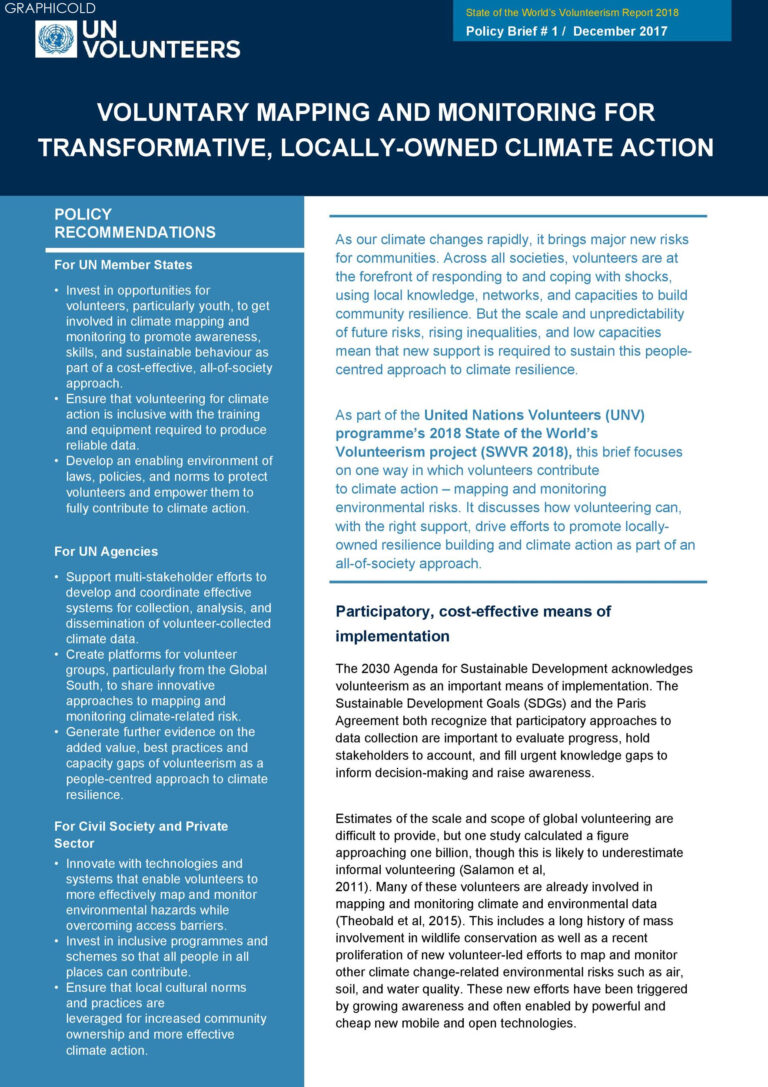
A policy brief is a concise document that is designed to provide clear and actionable recommendations to policymakers on a specific issue. It is an important tool for advocates, researchers, and other stakeholders to communicate their ideas and proposals to decision-makers and policymakers. One of the key elements of a policy brief is the template used to structure the document. In this article, we will discuss the policy brief template and how it can be used effectively.
The policy brief template typically consists of several sections, including an introduction, background, problem statement, policy options, recommendations, and conclusion. Each of these sections serves a specific purpose and should be tailored to the specific issue and audience. The following is a brief overview of each section.
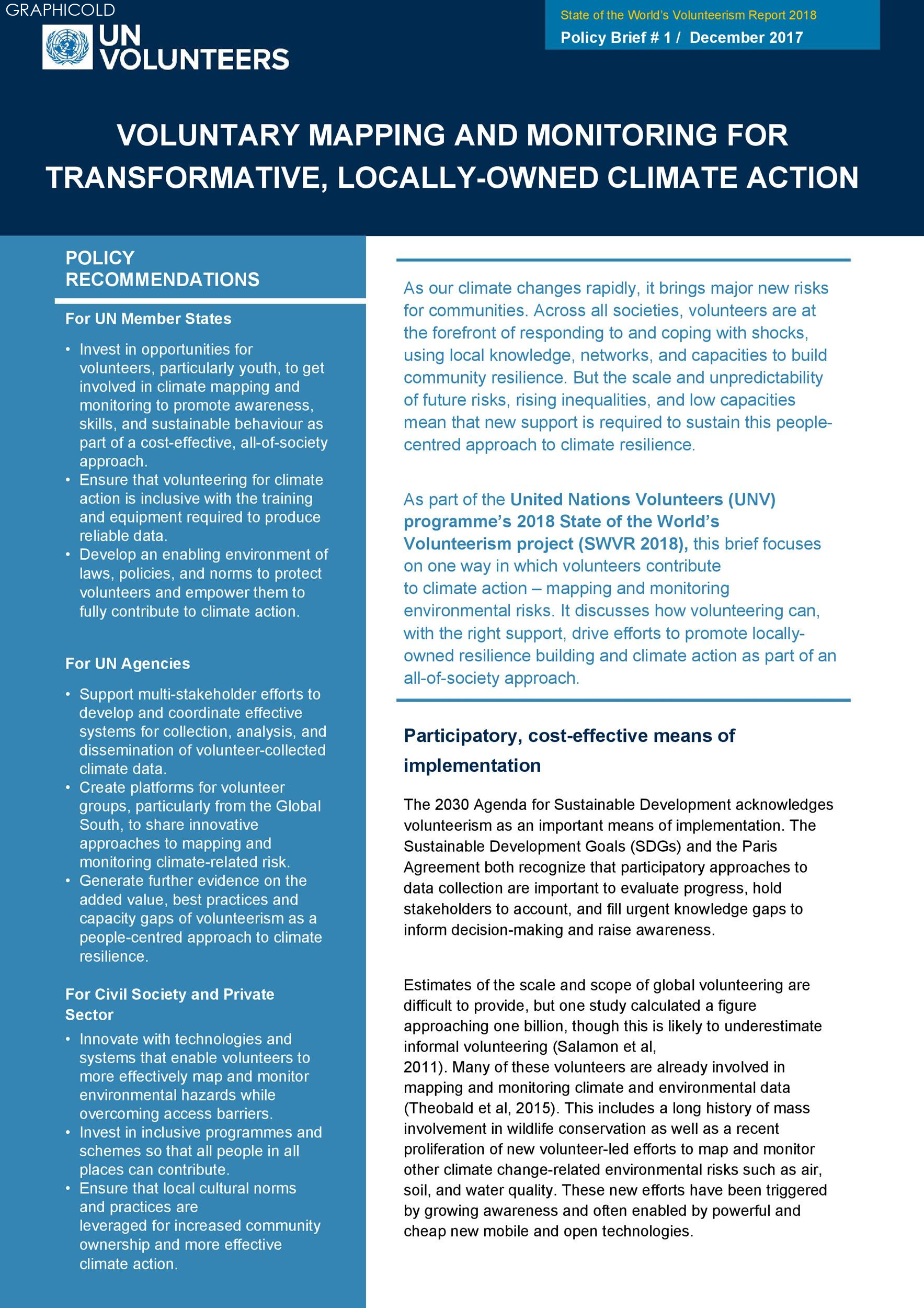
Introduction: The introduction sets the tone for the policy brief and provides an overview of the issue. It should be engaging and informative to capture the attention of the reader.
Background: The background section provides context for the issue and highlights relevant data, research, and statistics. It should establish why the issue is important and why action is needed.
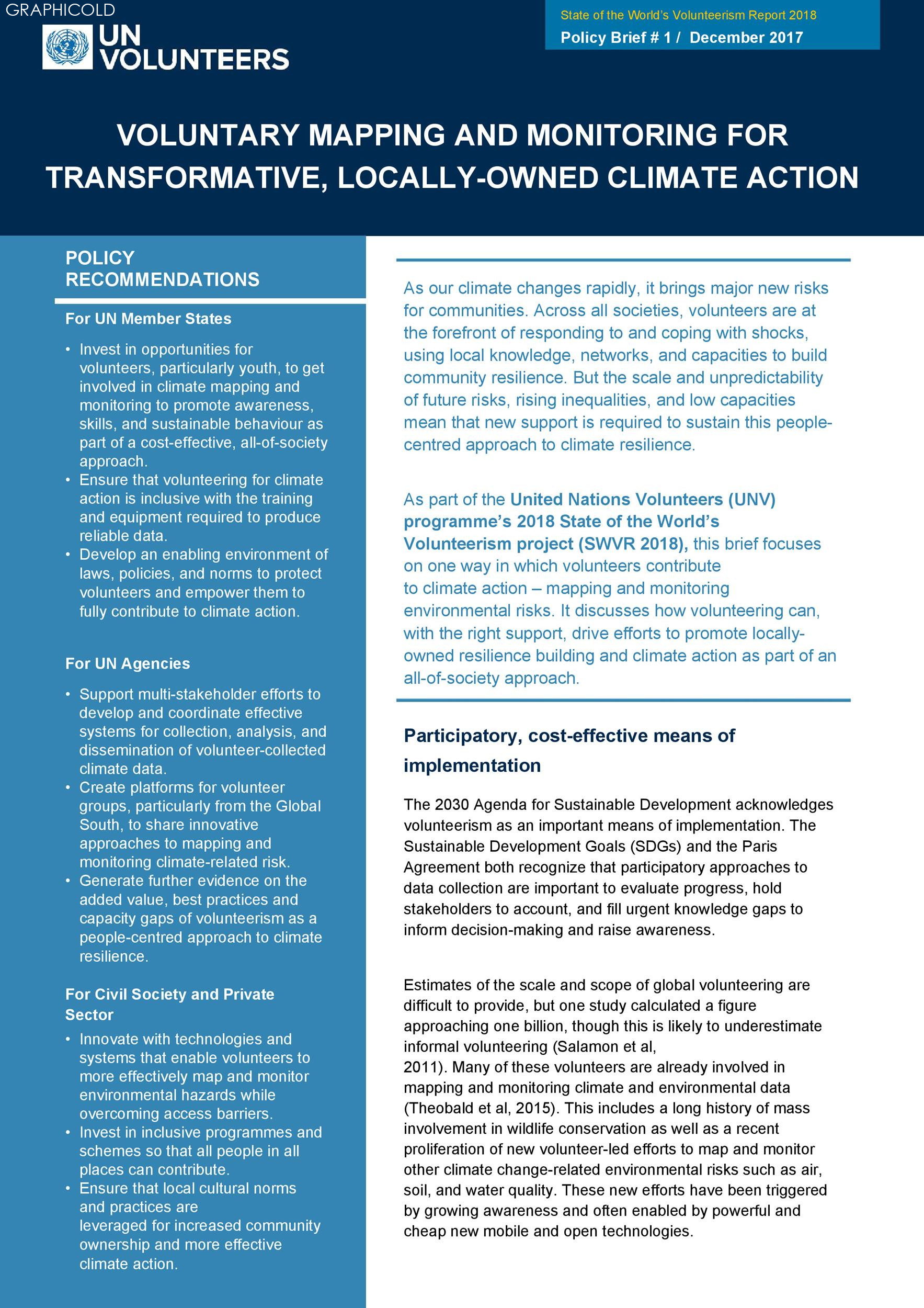
Problem statement: The problem statement identifies the specific problem or challenge that needs to be addressed. It should be clear and concise, and supported by evidence.
Policy options: The policy options section presents different options for addressing the problem. Each option should be explained in detail, including the benefits and drawbacks of each approach.
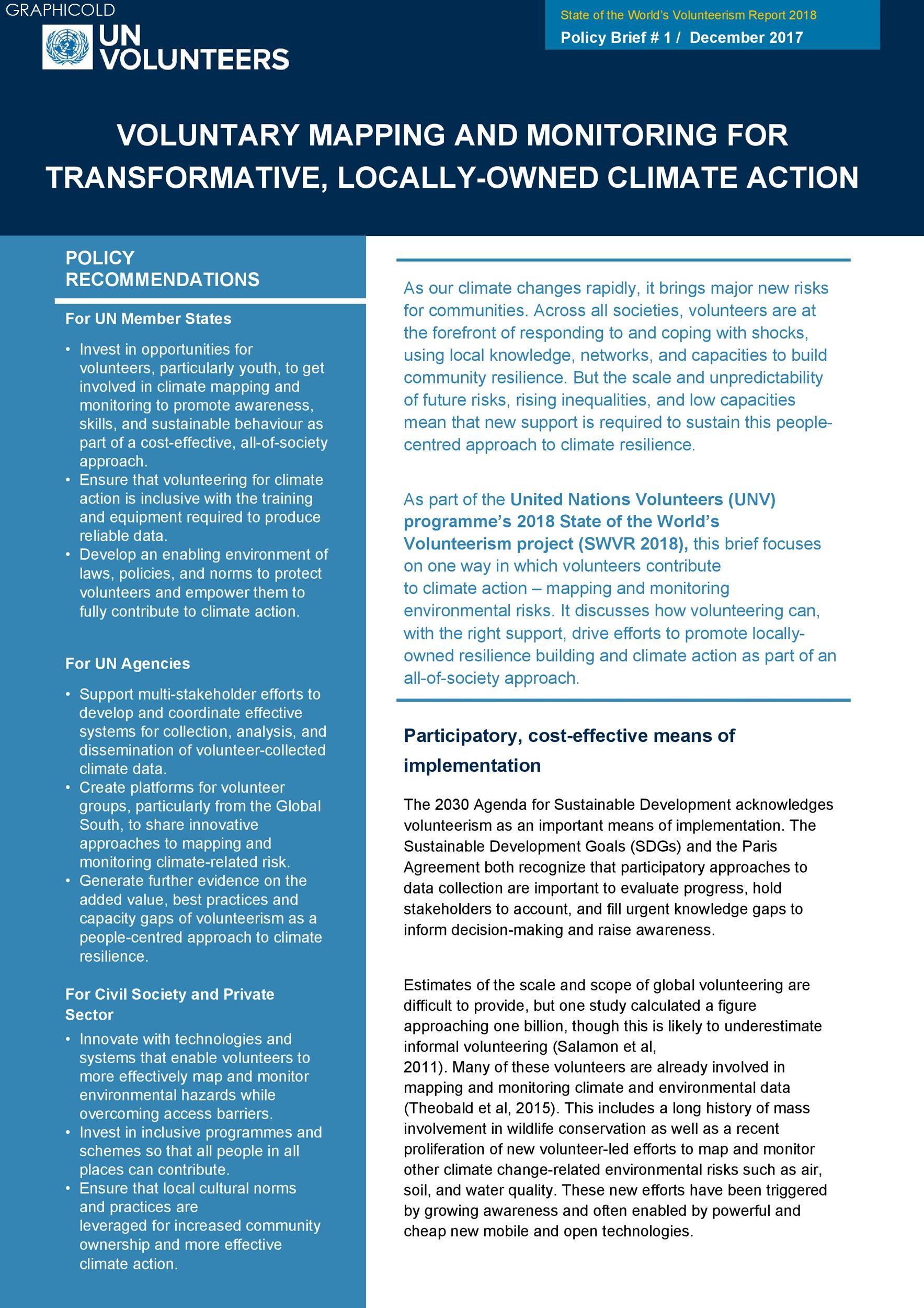
Recommendations: The recommendations section outlines the specific actions that policymakers should take to address the problem. Recommendations should be clear, actionable, and based on the best available evidence.
Conclusion: The conclusion provides a summary of the policy brief and reiterates the importance of taking action on the issue. It should be persuasive and leave a strong impression on the reader.
In order to effectively use the policy brief template, it is important to consider the audience and purpose of the document. The language and tone should be appropriate for the intended audience, and the recommendations should be tailored to the specific context and policy landscape.
In conclusion, the policy brief template is a valuable tool for communicating policy proposals and recommendations to decision-makers and policymakers. By using a clear and structured format, advocates and stakeholders can effectively make their case for action on important issues.