

The chicano font: Capturing the Essence of Mexican-American Culture
Fonts play a crucial role in visual communication, conveying a message and setting the tone of a design. One font that has gained popularity in recent years is the Chicano font. This distinctive typeface holds a special place in Mexican-American culture, representing the rich history, identity, and artistic expression of the Chicano community.

The Chicano font is inspired by the unique lettering styles found in Chicano street art, tattoos, and gang graffiti. It embodies the fusion of Mexican and American culture, reflecting the experiences and struggles of Mexican-Americans living in the United States. The font captures the spirit of Chicano pride, resilience, and cultural heritage.
The origins of the Chicano font can be traced back to the 1940s and 1950s when Mexican-American youth in Southern California began to develop their own artistic style to reclaim their identity and challenge social injustices. They used elaborate lettering techniques to create murals, signs, and banners, showcasing their talent and showcasing their cultural pride.
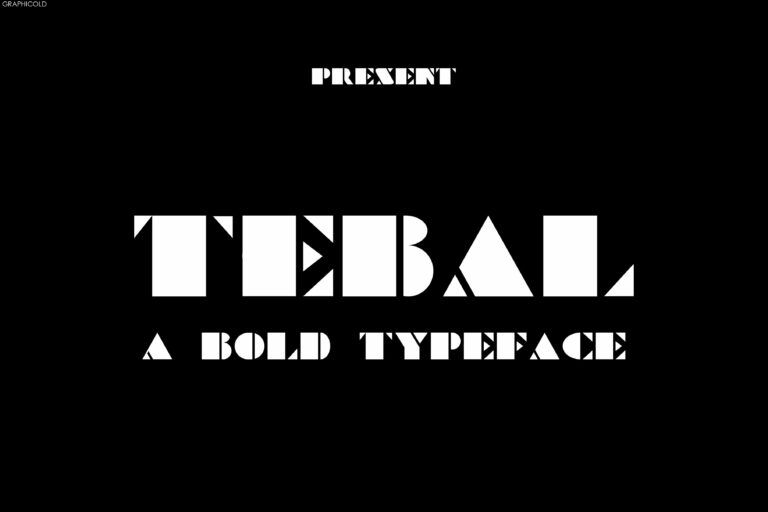
The Chicano font is characterized by its bold and ornate letterforms, often featuring intricate serifs, decorative elements, and exaggerated proportions. These stylistic choices reflect the rebellious nature and creative spirit of the Chicano movement. The font is known for its eye-catching and attention-grabbing appearance, making it a popular choice for graphic designers, artists, and musicians looking to make a bold statement.
Beyond its aesthetic appeal, the Chicano font also serves as a powerful tool for cultural preservation and empowerment. By incorporating this font into various forms of art, literature, and media, the Chicano community ensures that their heritage and stories are not forgotten. It allows them to reclaim their narrative and challenge dominant stereotypes, celebrating their unique identity and contributions to American society.
In recent years, the Chicano font has gained mainstream recognition, transcending its original cultural context. It has been used in advertising campaigns, album covers, movie titles, and even in fashion. This widespread adoption of the Chicano font signifies its universal appeal and its ability to connect with diverse audiences.
However, it is important to acknowledge the fine line between appreciation and appropriation. While the Chicano font has become popular among non-Chicano individuals, it is crucial to respect its cultural significance and use it responsibly. Understanding the history and cultural context behind this font is essential to avoid misrepresentation and commodification of Chicano culture.
In conclusion, the Chicano font represents a powerful symbol of Mexican-American identity, history, and artistic expression. Its bold and ornate letterforms capture the spirit of Chicano pride, resilience, and cultural heritage. Through its adoption in various forms of art and design, the Chicano font ensures the preservation of the Chicano narrative and challenges dominant stereotypes. As its popularity grows, it is crucial to embrace this font with respect and understanding of its cultural significance.