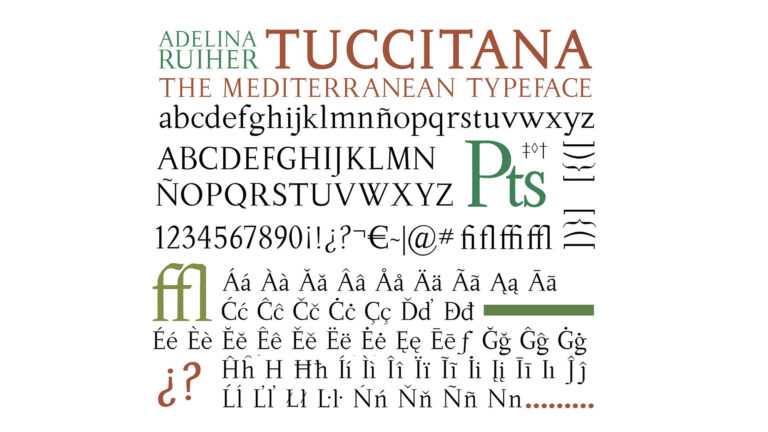


Collective Fonts: A Creative Revolution in Typography
Typography, the art and technique of arranging type to make written language legible, readable, and visually appealing, has always played a vital role in design and communication. Fonts, or typefaces, are the backbone of typography, as they determine the overall aesthetic and impact of any written material. In recent years, a new trend called collective fonts has emerged, revolutionizing the way we perceive and use typefaces.

Collective fonts are a collaborative effort that brings together designers, typographers, and other creative minds from diverse backgrounds. Unlike traditional fonts that are created by individual designers or foundries, collective fonts are the result of a collective endeavor, where multiple contributors come together to create a cohesive typographic system. This collaborative approach allows for a wider range of perspectives, ideas, and creativity to flow into the design process.
The rise of collective fonts can be attributed to several factors. Firstly, it reflects the growing importance of inclusivity and diversity in design. By involving multiple designers in the font creation process, collective fonts inherently incorporate a broader range of styles, influences, and cultural references. This makes them more relatable and appealing to a wider audience, as they represent a collective expression of various design sensibilities.

Secondly, collective fonts promote open-source principles and community-driven initiatives. They are often made available for free or at a lower cost compared to commercial fonts, making them accessible to a larger user base. This democratization of typography empowers designers, especially those with limited resources, to experiment and explore new possibilities without financial constraints.
Moreover, collective fonts stimulate innovation and experimentation in typography. The collaborative nature of their creation encourages designers to push boundaries, challenge traditional conventions, and explore unconventional ideas. This results in the development of unique and visually striking typefaces that break away from the norm.

In addition to their aesthetic appeal, collective fonts also have practical advantages. They are designed with versatility and usability in mind, making them suitable for various applications and platforms. Whether it’s for print, web, or mobile interfaces, collective fonts offer flexibility and adaptability, ensuring consistent legibility and visual impact across different media.
Furthermore, collective fonts foster a sense of community and collaboration within the design industry. They provide opportunities for designers to connect, share knowledge, and learn from one another. By participating in collective font projects, designers can enhance their skills, expand their networks, and contribute to the advancement of typography as a whole.
In conclusion, collective fonts have emerged as a creative revolution in typography, transforming the way we approach and utilize typefaces. By embracing inclusivity, open-source principles, and collaborative design processes, collective fonts embody the ethos of the modern design landscape. They not only inspire creativity and innovation but also foster a stronger sense of community among designers. As the world of typography continues to evolve, collective fonts will undoubtedly play a significant role in shaping its future.