


Title: How environmental graphic design Revolutionizes Spaces with Stunning Illustrations
Introduction:
In a world driven by visually appealing content, environmental graphic design (EGD) has emerged as a powerful tool to transform and enhance physical spaces. Through strategic placement of illustrations, EGD creates immersive experiences that captivate audiences, communicate ideas, and promote sustainability. Prepare to be amazed as we delve into the fascinating realm of environmental graphic design and its innovative use of illustrations.

1. The Art of Environmental Graphic Design:
Environmental graphic design is an interdisciplinary field that combines elements of graphic design, architecture, interior design, and urban planning to transform spaces. By utilizing illustrations, EGD breathes life into dull environments, making them visually stimulating and engaging.
2. Fostering Sustainable Behavior:
EGD plays a crucial role in promoting sustainability and eco-consciousness. Illustrations can be employed to inform and educate people about the environment, conservation efforts, and the importance of sustainable practices. These captivating visuals have a powerful impact on viewers, encouraging them to adopt greener lifestyles.

3. Wayfinding Made Easy:
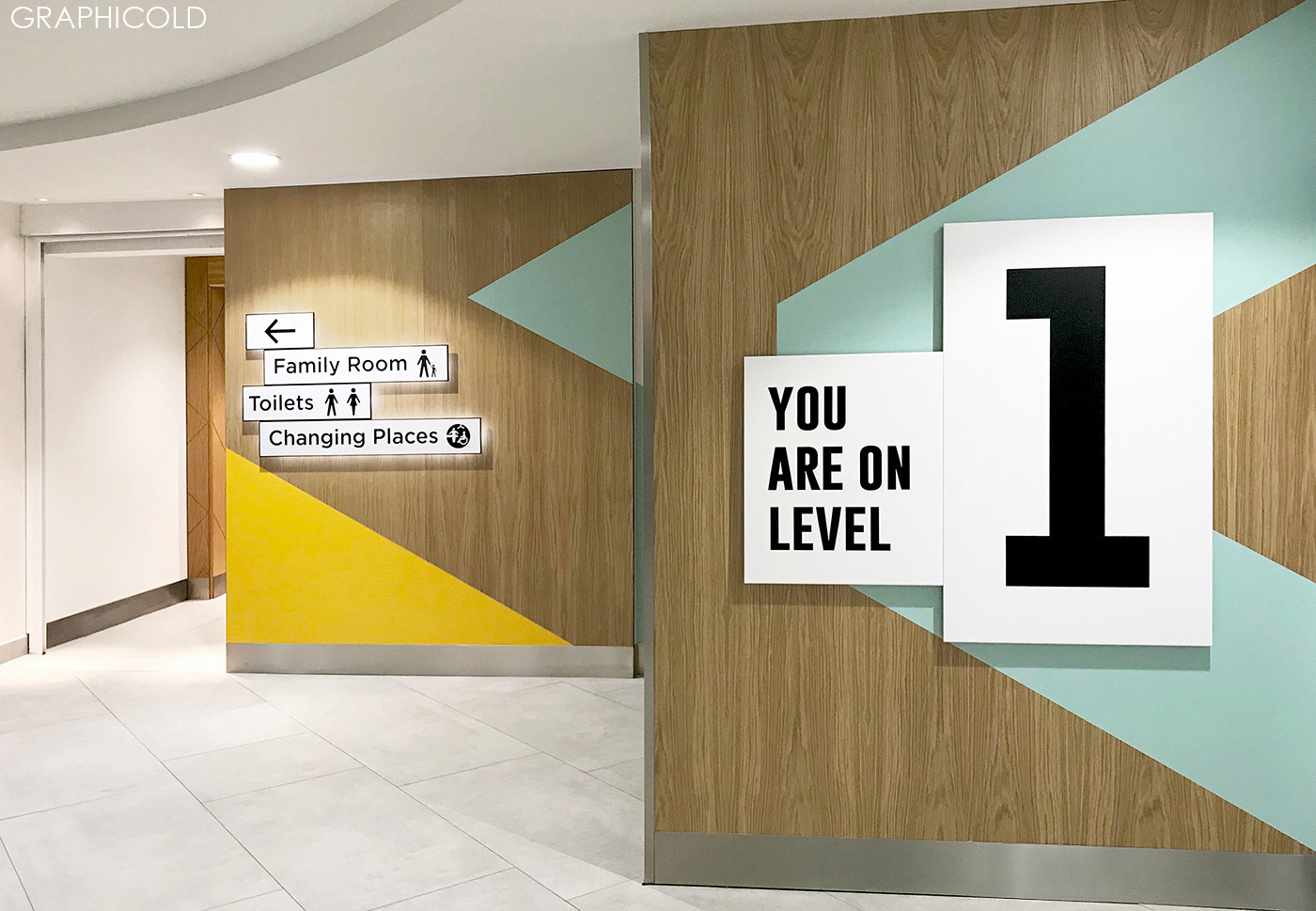
Navigating complex environments like airports, hospitals, or large campuses can be overwhelming. Environmental graphic design comes to the rescue with strategically placed illustrations, making wayfinding intuitive and stress-free. By using visually distinct and easily recognizable symbols, EGD guides individuals effortlessly through these spaces.
4. Creating Memorable Experiences:
EGD employs illustrations to captivate audiences by evoking emotions and creating memorable experiences. Whether it’s a stunning mural, an interactive display, or a captivating infographic, these visual elements leave a lasting impression on visitors, making their time spent in a particular space truly unforgettable.
5. Transforming Corporate Environments:
Gone are the days of uninspiring office spaces. Environmental graphic design transforms corporate environments into vibrant and inspiring workplaces. By incorporating illustrations that align with a company’s brand and values, EGD enhances employee morale and fosters creativity, leading to increased productivity.
6. Enhancing Public Spaces:
Public spaces are brought to life through the artistry of environmental graphic design. Murals, sculptures, and interactive installations create a sense of place and engender community pride. Illustrations can also be used to convey historical or cultural narratives, preserving the heritage of a space while inviting exploration.
7. The Power of Biophilic Design:
Biophilic design, which incorporates elements of nature into man-made environments, is a growing trend in environmental graphic design. Illustrations of plants, animals, and natural landscapes help reconnect people with the natural world, reducing stress levels, enhancing well-being, and improving overall mental health.
8. EGD in Retail Spaces:
In retail environments, environmental graphic design goes beyond aesthetics. By strategically incorporating illustrations, EGD can influence consumer behavior, draw attention to products or promotions, and enhance the overall shopping experience. Illustrations have the power to tell stories, create ambiance, and evoke emotions, playing a vital role in shaping consumer decision-making.
Conclusion:
Environmental graphic design, with its innovative use of illustrations, has transformed spaces worldwide. From promoting sustainability to enhancing wayfinding, creating memorable experiences, and fostering a connection with nature, EGD has proven to be a game-changer. As we continue to value captivating visuals, let us embrace the power of environmental graphic design and its ability to shape the world around us.
Keywords: environmental graphic design, illustrations, immersive experiences, sustainability, wayfinding, memorable experiences, corporate environments, public spaces, biophilic design, retail spaces.


