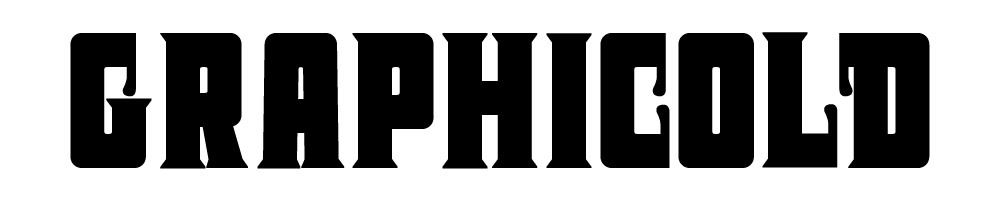

Title: Unveiling the Art of Brand Identity: Type Design and Beyond
Introduction:
In the dynamic world of marketing, brand identity stands as a pillar of success. From logos to color schemes, every element plays a vital role in capturing the essence of a brand. Among these, type design emerges as a significant player, shaping a brand’s personality and leaving a lasting impression. In this article, we delve into the world of type design and explore its impact on brand identity.
1. Understanding Brand Identity:
Brand identity encompasses the visual and verbal elements that define a brand’s personality, values, and goals. A cohesive and well-crafted brand identity helps companies connect with their target audience and differentiate themselves in a crowded market.
2. The Power of Type Design:
Type design, often referred to as typography, is the art and technique of arranging typefaces. It involves selecting fonts, sizes, and spacing to create visually appealing and readable texts. Type design plays a crucial role in conveying brand characteristics such as professionalism, uniqueness, and friendliness.
3. Choosing the Right Typeface:
Finding the perfect typeface is a delicate process, as it needs to align with the brand’s overall message and target audience. Serif fonts, such as Times New Roman, convey tradition and elegance, while sans-serif fonts like Arial evoke modernity and simplicity. Display fonts, on the other hand, are ideal for eye-catching headlines and logos.
4. Custom Typefaces:
In the quest for a unique brand identity, some companies opt for custom typefaces. Custom type design allows brands to craft their own fonts that reflect their essence. Notable examples include the iconic Coca-Cola script and the modern simplicity of Google’s Product Sans.
5. Pairing Typefaces:
Typeface pairing involves combining two or more fonts to create visual harmony and contrast. A popular approach is choosing a primary typeface for headlines and a secondary one for body text. The pairing should be consistent with the brand’s identity and create a balanced, visually engaging experience.
6. Color and Type Design:
Color and type design go hand in hand in brand identity. The choice of font color can enhance a brand’s message, evoke emotions, or establish a visual hierarchy. Bold font colors often convey energy and confidence, while softer tones evoke tranquility and sophistication.
7. Responsive Design and Type:
In today’s digital era, responsive design is essential. Brands need to ensure their chosen typefaces are legible across various devices and screen sizes. Scalable vector or web fonts are ideal solutions as they adapt seamlessly to different screen resolutions.
8. Evolving Trends in Type Design:
Just as fashion trends evolve, type design also experiences shifts over time. From vintage-inspired serifs to minimalist sans-serifs, staying aware of current trends can help brands maintain a contemporary and relevant image. However, it’s crucial to balance trends with timeless qualities to ensure longevity.
Conclusion:
Type design serves as a powerful tool in shaping a brand’s identity. From selecting the right typeface to creating custom fonts, every decision contributes to the overall branding experience. By understanding the intricacies of type design, brands can elevate their visual appeal, connect with their target audience, and leave an indelible mark in their respective industries. So, go ahead and embrace the art of type design to craft a captivating brand identity that stands the test of time.
Keywords: brand identity, type design, typography, typeface, custom typefaces, type pairing, color and type design, responsive design, evolving trends in type design.


